24/7 Emergency Services (402) 698-3648
Experienced Water Remediation Specialists
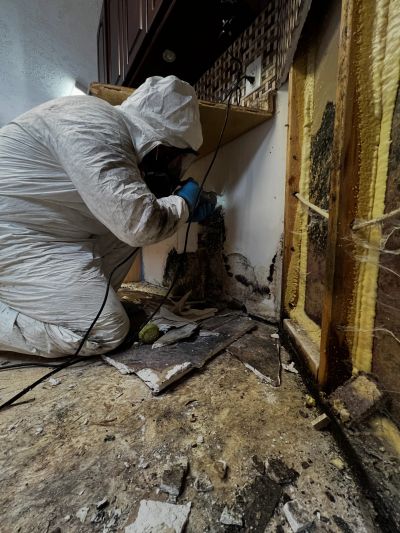
Telltale Signs of a Mold Growth in Your Property
Mold can develop quickly when moisture is present, often growing in areas that are hidden from view. Identifying the warning signs early can help prevent mold from spreading and causing further damage to your property.
Persistent Damp or Musty Odor
A strong, musty odor is often one of the first signs of a mold problem. Even when mold isn't visible, the smell may indicate growth behind walls, beneath flooring, inside cabinets, or in other areas where moisture has accumulated..
Visible Mold Growth
Mold can appear in many colors and textures, including black, green, white, gray, or brown patches. It may develop on drywall, ceilings, wood, insulation, flooring, carpeting, or other materials where moisture is (or has been) present.
Water Damage or Moisutre Problems
Leaks, flooding, condensation, high humidity, and previous water damage can create the conditions mold needs to grow. Areas that remain damp for extended periods should be evaluated to determine whether mold has developed.
Discoloration or Staining
Dark spots, unusual discoloration, or staining on walls, ceilings, floors, and other surfaces may indicate microbial growth. What appears to be a simple stain may require further evaluation to determine the underlying cause.
Moisture and Humidity Issues
High indoor humidity, condensation, poor ventilation, and hidden moisture can all contribute to mold growth. Identifying and correcting the source of moisture is an important part of preventing future mold problems.
Recurring Mold Growth
If mold continues to return after cleaning, the underlying moisture source may not have been addressed. Simply cleaning visible mold without correcting the conditions that caused it can allow the problem to return.
Restore Your Space with Our Effective Mold Remediation Process!
Our thorough mold remediation process focuses on finding and repairing the root cause of the problem and safely containing, removing, and treating affected areas
Inspection and Assessment
Our experienced technicians will evaluate the affected areas to identify visible mold, moisture concerns, and the extent of the problem. We’ll discuss our findings with you and develop a remediation plan based on the conditions present.
Containment and Air Filtration
Affected areas may be isolated using professional containment methods to help prevent the spread of mold and airborne particles into unaffected portions of the property. We may also use HEPA air scrubbers and negative air pressure when appropriate for the project.
Removal of Affected Materials
Handling mold-contaminated materials requires caution and expertise. Materials that cannot be effectively cleaned may need to be removed and properly disposed of. This can include drywall, insulation, carpeting, flooring, or other porous materials. Our team takes appropriate precautions during removal to minimize the spread of contaminants.
Cleaning and Treatment
Remaining surfaces are thoroughly cleaned using appropriate remediation products and methods. Depending on the material and conditions, we may utilize HEPA vacuuming, antimicrobial treatments, and professional mold remediation products to address remaining contamination.
Moisture Source Correction
Successful mold remediation requires addressing the moisture that contributed to the growth. We’ll identify contributing moisture conditions when possible and communicate recommended repairs or improvements needed to help prevent mold from returning.
Restoration and Repair
Once remediation is complete, our team can restore affected areas and return your property to a clean, functional condition. From replacing drywall and insulation to repairing ceilings, flooring, and other finishes, we can handle the restoration process from start to finish.